Alligator Gar Fishing in Lafitte Louisiana
Alligator Gar Fishing in Lafitte - What to Expect

Fishing Charter by Captain Jason Toombs in April
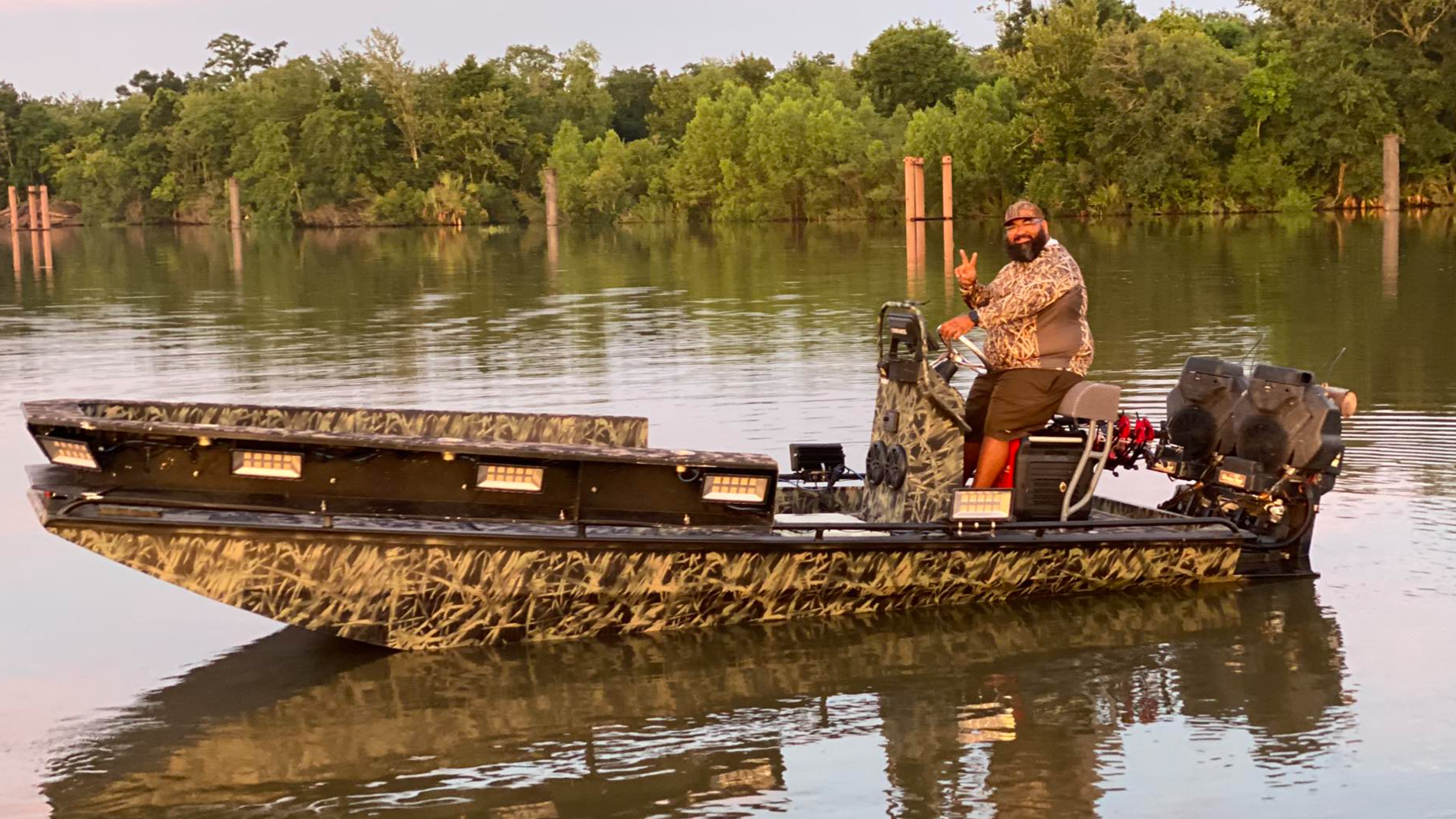
- Experience Prime Bowfishing in Lafitte’s Waters


Summary
Join a fishing charter in Lafitte this Monday, April for an unforgettable day targeting alligator gar - one of Louisiana's most exciting gamefish. Captain Jason Toombs brings local expertise and insider knowledge to help you land these prehistoric-looking giants. Whether you're a seasoned angler or looking for your first trophy catch, this fishing experience showcases what makes Lafitte a premier destination for serious fishing adventures.
Fishing Charter with Captain Jason Toombs - Rates & Booking
Captain Jason Toombs of Toombs Adventures is based in Lafitte and specializes in world-class alligator gar fishing experiences. On Monday, April 13th, Captain Jason takes anglers out on the water for a genuine Louisiana fishing adventure. If you're interested in booking a charter or want to learn more about availability and pricing, reach out to Toombs Adventures directly to reserve your spot and get all the details about what's included.
Highlights of Your Fishing Experience
Alligator gar fishing in Lafitte is intense and rewarding. These massive, prehistoric-looking fish are known for explosive strikes and powerful runs that test your skills and gear. The experience combines the thrill of the hunt with the natural beauty of Louisiana's waters. You'll be working with someone who knows exactly where these fish hang out and what techniques work best.
What makes this charter special is the hands-on approach and local knowledge. You're not just going through the motions - you're learning from someone who lives and breathes this fishery. The dock photos show exactly what's possible here: massive specimens that make for incredible memories and the kind of catch stories that last a lifetime.
Local Species Insights: Alligator Gar
Alligator gar are one of North America's largest and most distinctive fish. These ancient-looking predators can reach lengths over six feet and weigh hundreds of pounds, making them prized targets for adventurous anglers. They're named for their broad snouts and sharp teeth, which give them an unmistakable prehistoric appearance that catches everyone's attention.
These fish thrive in the bayous and coastal waters around Lafitte, where they hunt in deeper holes and along structure. Alligator gar are ambush predators that strike fast and hard when they decide to eat. Once hooked, they're known for incredible runs and acrobatic jumps - they'll test every bit of your strength and concentration. The fight is what makes them so sought after by serious anglers.
Gar fishing requires patience, the right tackle, and timing. You're typically fishing slower-moving waters where these fish congregate. The experience is less about casting all day and more about being ready for sudden, powerful action. Local guides like Captain Jason know the best times, spots, and methods to connect you with these remarkable fish. Being on the water with someone who understands gar behavior and knows the local waters dramatically increases your chances of success.
Plan Your Fishing Day
A typical day on a fishing charter involves heading out early to take advantage of peak fishing hours. You'll be working with experienced crew who handle navigation, suggest productive spots, and guide your technique. Lafitte's waters offer diverse habitats - from bayou channels to deeper pockets - each with potential for encounters with trophy-sized gar.
Come prepared for a day on the water with sun protection, comfortable clothing you don't mind getting wet, and a willingness to stay focused and engaged. The reward is the chance to tangle with one of Louisiana's most impressive gamefish and come away with stories and photos that prove it actually happened.
Fishing in Lafitte: Alligator Gar
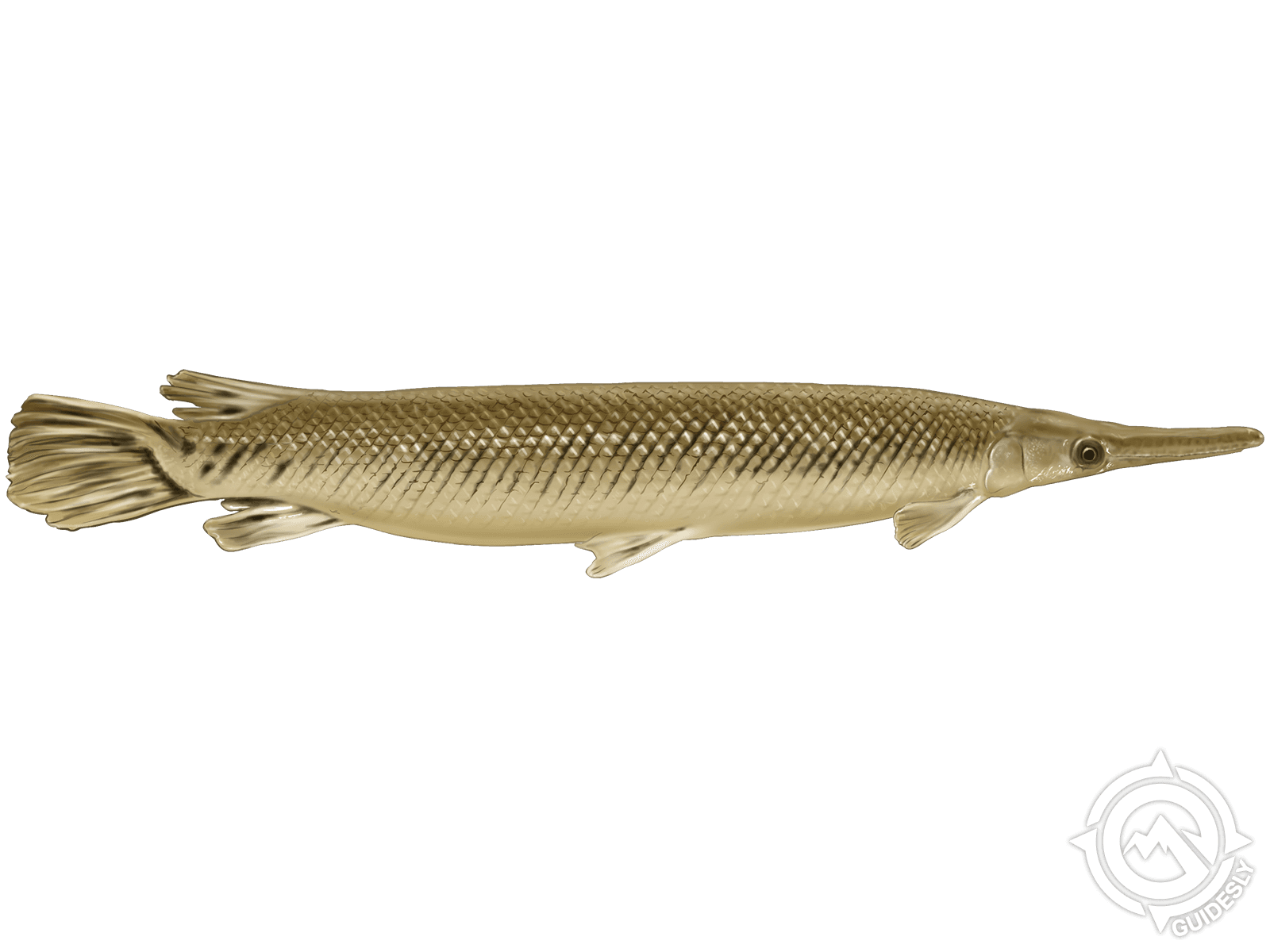
Alligator Gar Overview
The Alligator Gar (Atractosteus spatula) is a legendary freshwater giant belonging to the family Lepisosteidae and order Lepisosteiformes. Known for its prehistoric appearance and fearsome teeth-lined snout, this species is one of the largest freshwater fish in North America and a true living fossil. What makes the Alligator Gar so remarkable is its combination of ancient characteristics: it breathes air like its reptilian ancestors, possesses a spiral valve intestine similar to sharks, and wears armor-like ganoid scales that look like dinosaur plating. Found primarily in the southern United States, particularly in Texas, Florida, and the Mississippi River system, the Alligator Gar has captured the imagination of anglers, naturalists, and curious onlookers for generations. These fish are typically docile toward humans despite their intimidating appearance, making them fascinating subjects for observation and sport fishing adventures.
Alligator Gar Habitat and Distribution
Historically, the Alligator Gar thrived throughout the Mississippi River basin and coastal waters of the Gulf of Mexico, but habitat destruction, dam construction, and unrestricted harvesting have significantly reduced their range. Today, these prehistoric predators are primarily confined to southern portions of the United States, with stable populations in Mississippi, Florida, Texas, Arkansas, and Oklahoma. They inhabit inland lakes, slow-moving rivers, bayous, swamps, and backwater areas where they can find shallow pools adjacent to deep river bends. The species prefers freshwater and brackish environments with abundant vegetation and murky bottoms that provide cover and hunting grounds. While occasional reports surface of Alligator Gar sightings as far north as Nebraska, these occurrences are rare and unconfirmed. The best fishing destinations remain concentrated in Texas's bayous, the Florida Panhandle, and along the lower Mississippi River where shallow backwaters provide ideal habitat for these remarkable fish.
Alligator Gar Size and Weight
The Alligator Gar is truly a heavyweight champion of North American freshwater. These fish typically reach lengths of 4 to 6 feet and weigh between 100 to 160 pounds, though exceptional specimens can grow significantly larger. The maximum recorded sizes push toward 120 inches (10 feet) in length, making a trophy catch a truly unforgettable experience. Their elongated bodies are covered in distinctive brown or olive coloring that gradually fades to gray or yellow along the belly. The most striking feature is their oversized snout, which comprises roughly one-quarter of their total body length and is densely packed with needle-sharp teeth—a design perfectly suited for their ambush hunting strategy. Their robust, muscle-laden frames are encased in rhomboid ganoid scales that provide formidable armor, distinguishing them immediately from all other North American fish species.
Alligator Gar Diet and Behavior
The Alligator Gar is an apex predator with a remarkably diverse diet and opportunistic feeding strategy. These fish primarily hunt other fish species including carp, buffalo, shad, mullet, and shiners, using their powerful snouts as spear-like weapons to injure and stun prey. However, what truly sets them apart is their ability to breach the water's surface and capture birds, small mammals, and reptiles—a capability enabled by their accessory breathing organ, which allows them to extract oxygen from air just as effectively as from water. This dual-environment hunting prowess makes them one of North America's most formidable freshwater predators. Behaviorally, Alligator Gar are generally ambush hunters that remain relatively sedentary during daylight hours, lurking in deep holes and beneath overhanging vegetation. They become more active during low-light periods and in cooler weather. Despite their fearsome appearance and predatory nature, they are surprisingly docile around humans and are not considered dangerous to swimmers or waders. Their digestive system, featuring a spiral valve intestine inherited from their ancient ancestors, allows them to process large meals and go extended periods without feeding.
Alligator Gar Spawning and Seasonal Activity
The Alligator Gar's reproductive cycle is tied to seasonal changes and water conditions, with spawning occurring in brackish waters during spring months. Mature fish migrate to shallow, vegetated areas where water temperatures rise, triggering the release of eggs and sperm. Following spawning season, these fish gradually disperse to deeper waters and more stable habitats. For anglers and observers, late summer during hot, dry weather represents the prime season for encountering and catching Alligator Gar. During these months, they concentrate in deeper river bends adjacent to shallow pools, where they remain active predators despite reduced water levels. Fall and early winter can also produce excellent fishing opportunities as temperatures cool and fish become more aggressive in their feeding patterns. Spring offers access to spawning populations in brackish waters, though regulations may restrict fishing during this sensitive reproductive period. Summer heat concentrates fish in deeper refuges, making them more predictable and catchable for prepared anglers.
Alligator Gar Techniques for Observation and Capture
Rod and Reel Fishing: The most popular method for sport anglers involves heavy-duty rod-and-reel setups with strong line (30-50 pound test minimum) and large treble hooks (5/0 to 6/0 size). Rig live or fresh bait—such as gizzard shad, mullet, shiners, or smallmouth buffalo—approximately 6 inches below a bright-colored 4-inch diameter bobber. Cast into deep river bends, along channel ledges, and near submerged vegetation. Work the bait slowly and patiently; these fish often mouth food before committing to a full strike. Allow adequate time between hook sets, as their tough, bony mouths require firm, sustained pressure.
Bowfishing: An increasingly popular and regulated method, bowfishing for Alligator Gar offers thrilling visual hunting. Use a heavy-duty bowfishing bow (50+ pounds draw weight) with barbed arrows and specialized bowfishing reels. Hunt during low-light conditions—early morning, late evening, or nighttime—when fish move into shallower water. Look for dorsal fins breaking the surface in slow-moving channels and backwater areas. Note that bowfishing is typically regulated as a lethal harvest method in most states, meaning shot fish cannot be released alive.
Passive Gear Methods: Juglines, limblines, and trotlines remain traditional and effective approaches, particularly in Texas and Louisiana. Set multiple heavy-duty lines baited with fresh fish at dawn, then retrieve them later in the day. This method requires patience and local knowledge of fish movements and locations.
Around coastal Texas and the lower Mississippi River, late summer evening excursions into shallow bayous and backwater channels yield the most consistent encounters. Scout areas with heavy vegetation and visible current breaks, then present bait near structural elements like fallen trees or channel transitions.
Alligator Gar Culinary and Utilization Notes
The Alligator Gar presents a unique culinary opportunity with mixed reception. The meat itself is firm, white, and relatively mild-flavored, though it possesses a slightly gamey quality that some find appealing and others find off-putting. Historically, these fish were harvested commercially and utilized for meat, leather production from their distinctive scales, and even fertilizer. Today, it is illegal to keep an Alligator Gar in most states, reflecting conservation efforts to restore populations. Where legal harvest is permitted under strict regulations, the fish provides average food quality—not considered a premium eating fish compared to catfish or bass, but not unpalatable either. The roe (eggs) can be prepared similarly to caviar, though quantities are limited. Modern emphasis has shifted entirely toward catch-and-release sport fishing and ecological observation, recognizing the species' significance as a living link to prehistoric fish species and its role in maintaining healthy aquatic ecosystems. Culinary interest remains largely academic and historical rather than practical for contemporary anglers.
Alligator Gar Frequently Asked Questions
Q: What is the best bait for catching Alligator Gar?
A: Live or fresh bait works best, with gizzard shad, mullet, shiners, carp, and smallmouth buffalo being top choices. Rig them on 5/0 to 6/0 treble hooks suspended 6 inches below a bright 4-inch bobber. These fish prefer substantial baits that resemble their natural prey.
Q: Where can I find Alligator Gar near Texas?
A: Texas is prime Alligator Gar country, particularly in coastal bayous, the Brazos River, Trinity River, and Neches River systems. Focus on deep river bends adjacent to shallow backwater pools during late summer. The Galveston Bay area and Louisiana border regions offer excellent opportunities.
Q: When is the best time to catch Alligator Gar?
A: Late summer during hot, dry weather provides peak conditions. Fish concentrate in deeper holes and become more active during low-light periods—early morning and evening—and throughout the night. Fall and early winter can also be productive as temperatures cool.
Q: Is Alligator Gar good to eat?
A: While technically edible with firm, mild white meat, it is illegal to keep Alligator Gar in most states due to conservation regulations. Modern practice emphasizes catch-and-release sport fishing. Food quality is considered average at best, with historical use being more common than contemporary culinary interest.
Q: How difficult is it to catch an Alligator Gar?
A: Catching Alligator Gar is genuinely challenging due to their powerful builds, bony mouths, and cautious feeding behavior. Success requires heavy-duty tackle, suitable baits, patient presentation, and strong hook sets. Even experienced anglers may spend many hours without success, making each catch a genuine achievement.
Q: Can you catch Alligator Gar on rod and reel versus bowfishing?
A: Both methods are legitimate and regulated approaches. Rod-and-reel offers a traditional sport fishing experience with potential for catch-and-release, while bowfishing provides visual hunting excitement but is typically classified as lethal harvest. Local regulations determine which methods are legal and in which seasons—verify before planning your trip.